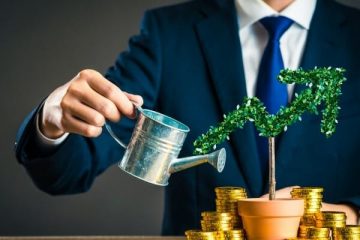
Introduction: Why Investment Still Matters In a world awash with economic noise and fleeting trends, one concept remains a timeless pillar of financial well-being: investment. While the word conjures images of stock tickers, suited traders, and arcane jargon, its essence is far simpler—and more profound. To invest is to trust that the future will reward discipline, foresight, and patience. It is the deliberate act of putting resources to work, today, for a reward that may only materialize tomorrow. For individuals, families, businesses, and entire nations, investment is both shield and sword: a guard against uncertainty and a catalyst for growth.
What Is Investment, Really? At its core, investment is the allocation of capital—money, time, or effort—towards an asset or venture with the expectation of generating income or appreciation. This definition is deceptively straightforward because investment is never static. It adapts with the investor’s goals, risk appetite, and the ever-changing economic landscape.
Unlike mere saving, which preserves capital, investment puts that capital at risk in exchange for the possibility of greater returns. This simple idea underpins every financial decision, from buying shares to renovating a property or funding a child’s education through a trust.
Reasons to Invest: Goals Beyond the Balance Sheet The motivations that drive people to invest are deeply personal yet widely shared. In an age where pensions alone rarely suffice, active investing has become essential for anyone hoping to secure their future.
Common reasons to invest include:
Beating Inflation: Money left idle in a low-interest account loses value over time as inflation erodes purchasing power.
Wealth Creation: Investment, especially when started early, harnesses the power of compounding to turn small sums into meaningful assets.
Passive Income: Dividends, bond yields, or rental income can supplement or eventually replace earned income.
Financial Independence: Well-structured investments can free people from living paycheck to paycheck, enabling them to pursue passions without fear of financial ruin.
Legacy Building: Many investors aim to leave behind assets that support their families or fund causes they care about.
Popular Investment Avenues: The Modern Toolkit The modern investor has access to a vast array of vehicles, each tailored to different goals and tolerances for risk. A well-rounded portfolio often blends several of these.
Equities (Stocks) Ownership in publicly traded companies remains one of the most popular ways to invest. Historically, stocks have delivered among the highest long-term returns, but they demand a stomach for volatility and a disciplined mindset to ride out market swings.
Bonds A bond is a loan made by an investor to a corporation or government in exchange for periodic interest payments and repayment at maturity. Bonds are generally less volatile than stocks and are vital for balancing risk in a portfolio.
Real Estate Whether residential, commercial, or industrial, property remains a trusted asset class. Investors appreciate its tangible nature, potential for income through rent, and possibility for long-term capital appreciation.
Mutual Funds and ETFs These pooled investment vehicles offer built-in diversification and professional management. Mutual funds often aim to beat the market, while ETFs typically track an index and are traded like stocks, providing flexibility and liquidity.
Alternative Assets From private equity and hedge funds to commodities like gold and oil, alternative investments can help hedge against traditional market cycles but often require deeper knowledge and carry unique risks.
The Magic of Compounding: Time as an Ally One principle all serious investors respect is compounding. Albert Einstein reportedly called it the eighth wonder of the world for good reason: when returns generate their own returns, wealth grows exponentially over time.
Consider this simple yet striking example:
A $10,000 investment growing at 7% annually will double approximately every decade.
In 10 years, it becomes nearly $20,000.
In 20 years, it crosses $40,000.
In 30 years, it nears $80,000—all without adding another dollar.
The earlier one starts, the greater the benefit. Time rewards discipline more than brilliance.
Risk and Reward: A Delicate Dance All investing involves risk. Markets can and do fall, often unexpectedly. Economic crises, geopolitical tensions, and technological disruptions can erode value overnight. A sound investor embraces risk not by ignoring it, but by managing it intelligently.
Time horizon, diversification, and regular portfolio reviews are vital tools. A young investor might lean heavily into equities, accepting short-term losses for long-term gains. An investor nearing retirement often shifts towards bonds and dividend-paying stocks to protect capital and secure steady income.
Common Mistakes: Pitfalls to Sidestep Even the savviest investors fall prey to classic errors. Some of the most common include:
Emotional Trading: Panic-selling during downturns locks in losses and misses rebounds.
Market Timing: Trying to buy at the lowest and sell at the highest rarely works and often backfires.
Neglecting Diversification: Putting all capital into one stock or asset class exposes investors to avoidable risk.
Ignoring Costs: High fees can quietly drain returns over decades.
New Horizons: Investment in a Changing World Today’s investor must adapt to a rapidly shifting landscape. Technology, global crises, and societal shifts are reshaping where and how people invest.
Emerging trends include:
Sustainable Investing (ESG): More investors now seek companies that demonstrate strong environmental, social, and governance practices.
Digital Assets: Cryptocurrencies and blockchain-based ventures have entered mainstream portfolios, offering high risk but disruptive potential.
Tech-Driven Access: Robo-advisors and fintech apps have democratized investing, letting people start with modest sums and minimal expertise.
Conclusion: The Lifelong Craft of Investing In the end, investment is not a single event but a lifelong craft. It demands curiosity, discipline, and a calm mind that resists short-term noise. Markets will rise and fall. Trends will come and go. The investor who stays true to a sound plan, adapts wisely, and harnesses time’s compounding force is the one most likely to turn today’s small seeds into tomorrow’s orchard of security and freedom.
In an age where so much feels fleeting, thoughtful investment remains one of the few reliable bridges between ambition and reality—an enduring promise that a brighter future is possible for those willing to build it.