
Mastering the Currency Chessboard: A Modern Guide to Trading FX
Introduction: The Global Stage of FX Trading
In the vast theatre of global finance, few markets rival the sheer size and dynamism of the foreign exchange (FX) market. Every day, over six trillion dollars’ worth of currencies change hands—a staggering testament to the world’s insatiable demand for trade, investment, and speculation. Trading FX is not merely a financial activity; it is an intricate dance that weaves together macroeconomics, geopolitics, psychology, and the timeless human desire to profit from movement and change.
Unlike stock markets confined to national borders and business hours, FX is truly borderless and alive twenty-four hours a day, five days a week. Traders, whether institutional giants or nimble independents, gather at this ever-turning wheel to profit from the constant flux of exchange rates. But beneath the excitement lies a nuanced craft—one that rewards discipline and punishes hubris in equal measure.
What Is FX Trading? Understanding the Basics
At its heart, foreign exchange trading is the buying and selling of currencies in pairs. You are not buying a currency outright as you might buy shares in a company; rather, you are wagering on the relative strength of one currency against another.
The fundamental unit of FX trading is the currency pair—EUR/USD, GBP/JPY, or USD/CHF, for example. When you trade EUR/USD, you are simultaneously buying euros and selling US dollars, or vice versa. The goal is simple: profit from shifts in the exchange rate.
Major Players: Who Moves the Market?
The FX market’s remarkable liquidity stems from a diverse array of participants:
-
Central Banks: They manage national reserves and intervene to stabilize or stimulate their economies.
-
Commercial Banks and Financial Institutions: They handle bulk transactions for clients and engage in speculative trades.
-
Corporations: Multinational businesses buy and sell currencies to pay overseas employees, suppliers, or manage profits abroad.
-
Hedge Funds and Investment Managers: They seek to profit from currency movements and hedge against risk.
-
Retail Traders: Empowered by technology, individuals now access sophisticated platforms once reserved for institutions.
Why Trade FX? The Allure of the Currency Market
The FX market’s unique characteristics attract traders of every stripe:
-
High Liquidity: The massive daily volume means traders can enter and exit positions quickly, even with large sums.
-
Accessibility: With relatively low capital, retail traders can participate through margin trading.
-
24-Hour Market: Traders can find opportunities around the clock, reacting to events in real time.
-
Leverage: Brokers offer significant leverage, magnifying both potential gains and losses.
Core Strategies: How Traders Navigate FX
Profitable FX trading is never guesswork. Successful traders combine technical analysis, fundamental insights, and strict risk management to craft an edge.
1. Technical Analysis
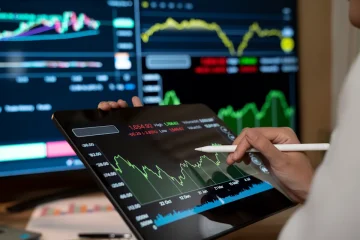
Charts are the trader’s canvas. Technical analysis involves studying price patterns, trends, and indicators like moving averages, Bollinger Bands, and Relative Strength Index (RSI). These tools help traders identify entry and exit points based on historical price behaviour.
2. Fundamental Analysis
Currencies rise and fall on the tides of macroeconomic news—interest rates, employment figures, GDP data, and geopolitical developments. A trader who understands central bank policy and global trends can anticipate significant moves.
3. Sentiment Analysis
FX markets are influenced by collective psychology. Sentiment indicators, commitment of traders (COT) reports, and news sentiment tools offer clues about whether traders are leaning bullish or bearish on a currency pair.
Risk Management: The Cornerstone of Longevity
No trader wins every trade. What separates the amateur from the seasoned professional is disciplined risk management.
Golden rules of risk management include:
-
Use Stop-Loss Orders: Predetermine the point at which you will exit a losing trade to cap losses.
-
Position Sizing: Never risk more than a small percentage of capital on a single trade—many professionals keep this below 2%.
-
Leverage Wisely: While leverage can amplify gains, excessive leverage is often the downfall of beginners.
-
Keep Emotions in Check: Greed and fear are a trader’s greatest adversaries. Consistency and detachment are virtues.
Common Pitfalls: Mistakes to Avoid in FX Trading
Many new traders are seduced by the promise of quick profits, only to fall victim to classic errors:
-
Overtrading: Chasing every small market move drains capital through spreads and commissions.
-
Ignoring Economic Calendars: Trading blind to upcoming economic releases invites volatility without preparation.
-
Failure to Adapt: Clinging to a losing strategy instead of reassessing can quickly deplete an account.
-
Emotional Trading: Impulsive decisions erode discipline and lead to erratic results.
The Role of Technology: Trading in the Digital Era
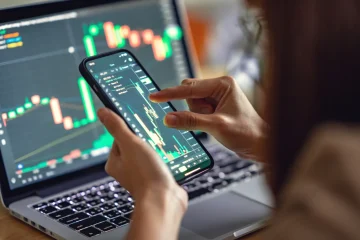
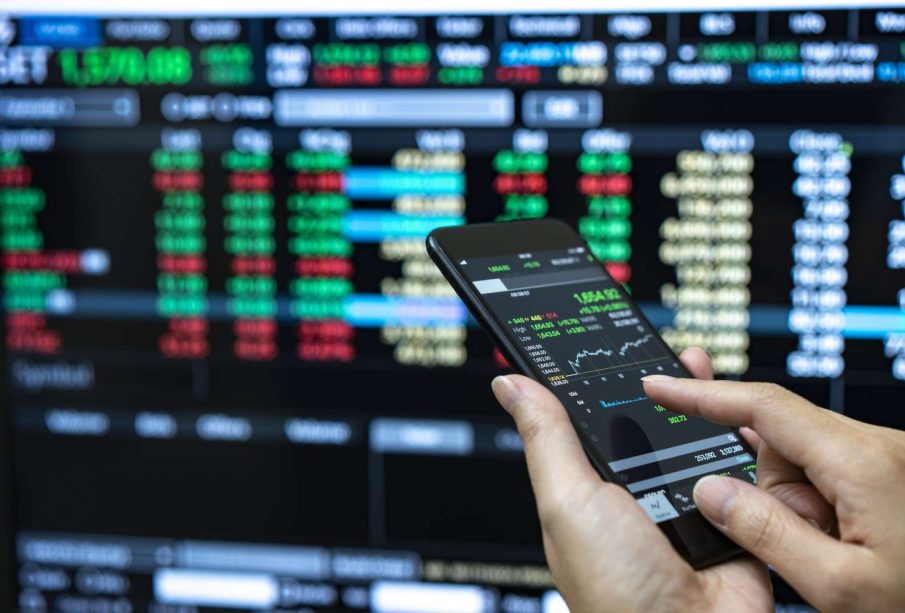
Today’s FX traders wield an arsenal of digital tools that previous generations could scarcely imagine. Algorithmic trading, real-time news feeds, social trading platforms, and mobile apps have leveled the playing field. Automated trading systems execute pre-set strategies with speed and precision, removing some human emotion from the equation.
Choosing a Broker: Trust and Transparency
Success in FX begins with selecting a reputable broker. Important factors to weigh include:
-
Regulation: Look for brokers licensed by respected authorities like the FCA (UK), ASIC (Australia), or CFTC (USA).
-
Competitive Spreads: Tight spreads reduce transaction costs.
-
Execution Speed: Delays can cost traders dearly, especially during volatile news events.
-
Educational Resources: Quality brokers offer tools, webinars, and demo accounts to help traders sharpen their skills.
Is FX Trading for Everyone?
Trading FX can be rewarding, but it is not a path to easy riches. It demands time, study, self-control, and resilience. Those who approach it with respect for the market’s complexity and a commitment to constant learning stand the best chance of success.
Conclusion: The Timeless Challenge of Currency Mastery
Trading FX is a test of intellect, nerve, and adaptability. It is where global events, economic theory, and human emotion collide on a digital chessboard that never sleeps. For the committed trader, mastering FX is not just about turning a profit—it is about mastering oneself in the face of endless change.
As long as nations trade, invest, and jostle for economic advantage, the foreign exchange market will remain the heartbeat of global finance—a place where fortunes are made and lost, and where every pip tells a story. For those ready to listen, study, and act with discipline, trading FX offers not just the possibility of profit, but the enduring thrill of playing a timeless game on the world’s largest stage.