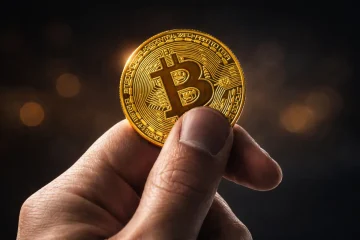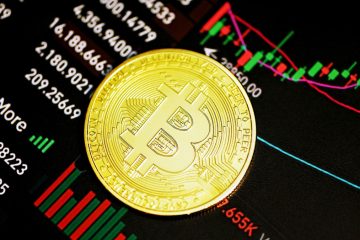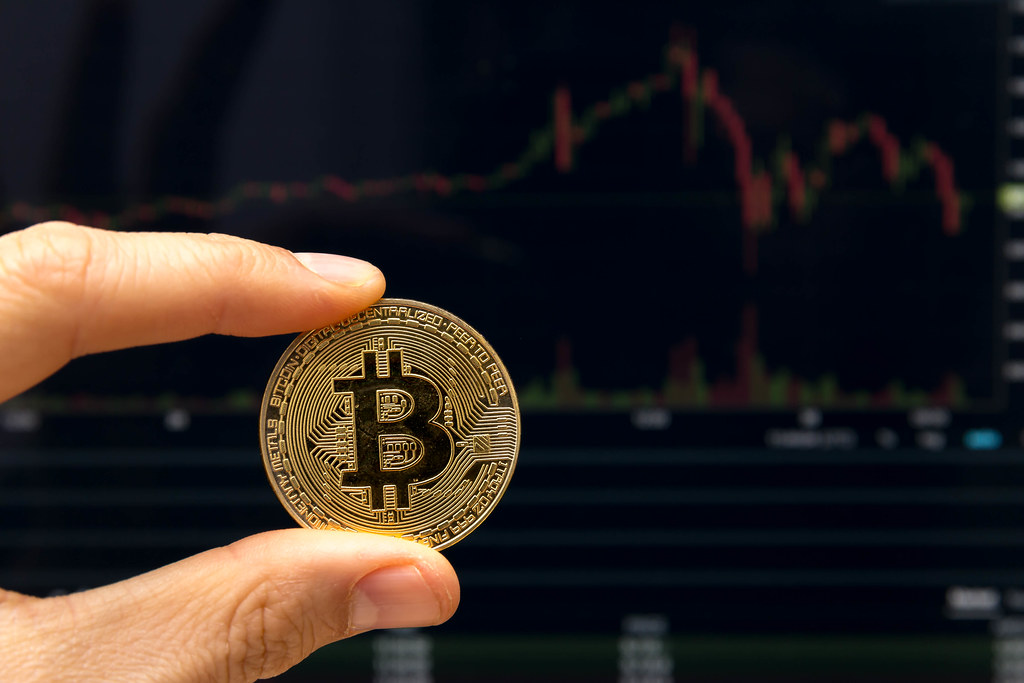

Bitcoin: The Digital Gold Reshaping Global Finance and Individual Freedom
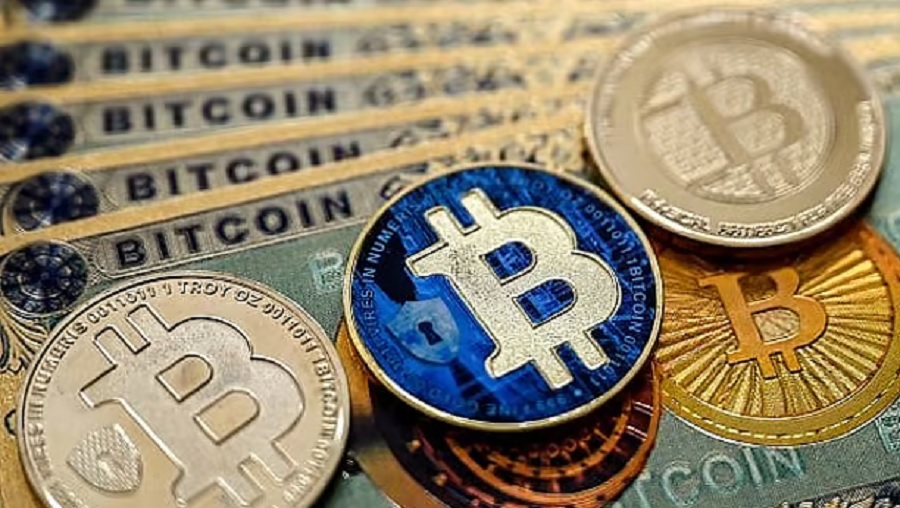
Introduction: A New Paradigm for Money
When the pseudonymous Satoshi Nakamoto unveiled Bitcoin in 2009, the world was still reeling from the collapse of some of its most trusted financial institutions. Amid the ashes of that crisis, Bitcoin emerged not merely as a new form of currency but as a radical experiment in decentralization, privacy, and personal financial autonomy. In the years since, Bitcoin has defied both its doubters and its imitators, transforming from a fringe curiosity into one of the most talked-about financial innovations of the 21st century.
The Philosophy Behind Bitcoin
Unlike traditional currencies issued and controlled by governments, Bitcoin rests on the idea that money should belong to the people who use it, not the institutions that mint and manage it. Its allure lies not only in its technological elegance but in its ideological promise: a trustless system in which rules, not rulers, govern transactions.
At its core, Bitcoin challenges the assumption that we must rely on central authorities to mediate economic activity. Instead, it offers an alternative where code enforces fairness and transparency — a bold vision that continues to inspire millions.
How Bitcoin Works: The Mechanics of Digital Trust
To understand why Bitcoin remains so compelling, one must grasp how it operates under the hood. Bitcoin’s foundation is the blockchain — a decentralized ledger distributed across thousands of computers worldwide.
Key elements include:
-
Blockchain Ledger: Every transaction ever made is permanently recorded, viewable by anyone yet secured through cryptography.
-
Mining and Consensus: New transactions are validated by miners, who solve complex mathematical puzzles to add new blocks to the chain. In return, miners earn new Bitcoins, a process that also controls the supply.
-
Limited Supply: Only 21 million Bitcoins will ever exist, programmed to be released gradually until approximately the year 2140. This finite nature stands in stark contrast to fiat currencies, which governments can inflate at will.
By replacing trust in institutions with trust in mathematics and open-source code, Bitcoin has redefined what it means to move money in a digital age.
The Evolution: From Cypherpunks to Wall Street
Bitcoin’s early adopters were a mix of cryptographers, libertarians, and technology enthusiasts drawn to its promise of privacy and freedom from government interference. In its infancy, few could have imagined that financial giants, sovereign wealth funds, and public corporations would one day hold Bitcoin on their balance sheets.
Over the past decade, the narrative around Bitcoin has matured. What began as an experiment in peer-to-peer digital cash has become widely seen as “digital gold” — a store of value to hedge against inflation, political instability, and economic uncertainty.
Major milestones have punctuated this rise:
-
The first real-world Bitcoin transaction, famously paying 10,000 BTC for two pizzas in 2010, is now a symbol of its humble beginnings.
-
Institutional players like Tesla, MicroStrategy, and various hedge funds have integrated Bitcoin into their portfolios.
-
Countries such as El Salvador have even adopted Bitcoin as legal tender, further legitimizing its role in the global economy.
Why Bitcoin Matters: Beyond Speculation
To dismiss Bitcoin as a mere speculative asset is to misunderstand its deeper significance. While its price swings command headlines, its true value lies in its ability to empower individuals and challenge entrenched systems.
Bitcoin offers:
-
Financial Sovereignty: For people in countries with unstable currencies or capital controls, Bitcoin can serve as a lifeline to store wealth beyond the reach of corrupt governments.
-
Permissionless Access: Anyone with an internet connection can own and transfer Bitcoin, bypassing traditional gatekeepers like banks.
-
Innovation Catalyst: Bitcoin’s open-source nature has inspired an entire ecosystem of cryptocurrencies, decentralized finance (DeFi) projects, and technological advancements in secure digital transactions.
Challenges and Controversies
Of course, Bitcoin’s story is not without controversy or legitimate concern. A balanced view must acknowledge these challenges.
-
Environmental Impact: Bitcoin mining consumes substantial energy, leading to heated debates about sustainability. However, miners increasingly tap into renewable energy and stranded power sources, suggesting a pathway toward greener solutions.
-
Regulatory Uncertainty: Governments worldwide are still grappling with how to regulate Bitcoin. While some nations embrace it, others restrict or ban its use outright.
-
Volatility: Bitcoin’s price can swing dramatically in short periods, making it an unreliable medium of exchange for day-to-day purchases.
-
Criminal Use: Its pseudonymous nature has attracted bad actors. Although illicit transactions make up a small fraction of overall use, they continue to draw regulatory scrutiny.
Technological Innovations: Bitcoin’s Future Potential
Bitcoin’s developers and community remain committed to addressing its shortcomings while preserving its core principles. One major innovation is the Lightning Network, which sits atop Bitcoin’s base layer to enable faster and cheaper transactions. This technology could one day make using Bitcoin for small, everyday purchases practical and affordable.
Meanwhile, improvements in mining efficiency, scaling solutions, and wallet security aim to make Bitcoin safer and more accessible for mainstream adoption.
The Cultural Phenomenon: More Than Just Money
Bitcoin has also embedded itself in popular culture, spawning a new generation of investors and thinkers who see it not just as a financial asset but as a form of peaceful protest against centralized control.
Terms like HODL (hold on for dear life), sats (short for satoshis, the smallest unit of Bitcoin), and whales (large holders) have become part of the financial lexicon. For many, Bitcoin represents hope for a future where money is censorship-resistant, programmable, and globally accessible.
Should You Buy Bitcoin? A Measured Approach
For those intrigued by Bitcoin’s promise, a thoughtful approach is essential.
-
Do Your Research: Understand Bitcoin’s mechanics, history, and risks before investing.
-
Only Invest What You Can Afford to Lose: Bitcoin’s volatility means it should never be your only investment.
-
Use Secure Storage: Learn to store your Bitcoin safely. Hardware wallets and cold storage remain the gold standard for long-term holdings.
-
Stay Informed: Bitcoin is constantly evolving, with shifting regulations, technological upgrades, and market dynamics.
Conclusion: A Decentralized Vision for the Digital Age
Bitcoin’s greatest triumph is not merely its meteoric rise in price but its success in igniting a global conversation about what money can be in the digital era. It asks a profound question: Should we continue to entrust our wealth to institutions that have repeatedly failed us, or should we embrace a system built on cryptographic truth and individual sovereignty?
As we stand at the intersection of technological revolution and financial reimagination, Bitcoin remains a powerful symbol of what is possible when communities come together to challenge the status quo. Whether it becomes the backbone of a new monetary order or the spark that lights the way for even greater innovations, one fact remains: Bitcoin is here to stay — and its story is far from finished.