Introduction: The Enduring Art of Investment To invest is, in essence, to bet on tomorrow. It is an act of trust—part science, part intuition—that bridges the present with a more secure future. Whether one is a first-time saver opening a mutual fund account or a seasoned financier managing a multi-million-dollar portfolio, the core philosophy is strikingly similar: deploying capital wisely today to reap greater value tomorrow. In an era where economic uncertainty, technological disruption, and shifting global trends collide, understanding the nuances of investment has never been more vital.
Defining Investment: More Than Just Money At its simplest, investment is the commitment of resources—time, money, or effort—into an asset or venture with the hope of generating an additional income or profit. Yet its meaning stretches far beyond the mechanical transaction of buying stocks or bonds. Investment is a mindset that influences how individuals plan their futures, governments develop economies, and businesses create value for stakeholders.
Why People Invest: Goals That Shape Portfolios The motivations behind investment are as varied as the people who invest. For some, it is about preserving wealth against inflation’s quiet erosion. For others, it is about growth, building a nest egg for retirement, or creating generational wealth that outlasts a single lifetime.
Common reasons people invest include:
Wealth Accumulation: Allowing money to grow over time through compound interest and capital appreciation
Income Generation: Receiving regular dividends, interest, or rental income to supplement active earnings
Retirement Planning: Building a financial cushion that sustains lifestyle after leaving the workforce
Education Funding: Ensuring future generations can access quality education without financial strain
Financial Independence: Achieving freedom from relying solely on active employment income
Investment Vehicles: Diverse Paths to Growth Navigating the world of investment means understanding the wide array of vehicles available. Each comes with its unique risk-reward profile and suitability for different goals and time horizons.
1. Equities (Stocks) Buying shares in publicly traded companies allows investors to own a portion of that business. Stocks have historically provided high long-term returns but come with significant short-term volatility.
2. Bonds These are essentially loans made by an investor to a government or corporation, repaid with interest. Bonds are prized for their relative stability and predictable income streams, making them a staple in conservative portfolios.
3. Real Estate Property remains one of the oldest forms of investment. Whether through residential rentals, commercial buildings, or land development, real estate offers potential for income and appreciation but requires careful management and often significant upfront capital.
4. Mutual Funds and ETFs These pooled investment vehicles allow investors to diversify holdings without picking individual assets themselves. Managed by professionals, they offer exposure to a basket of stocks, bonds, or other securities.
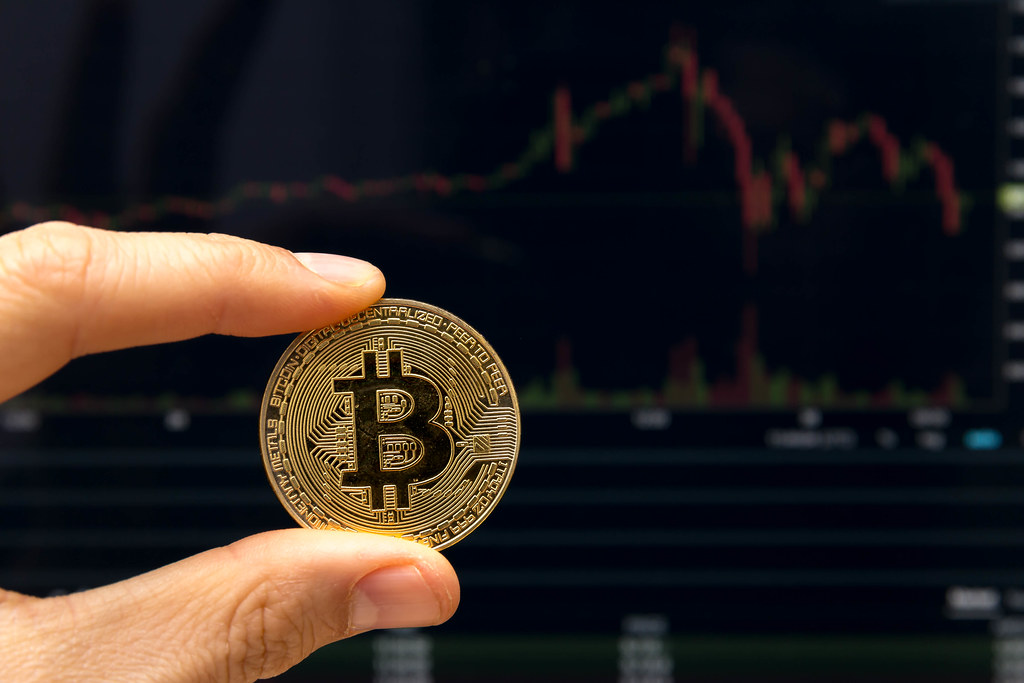
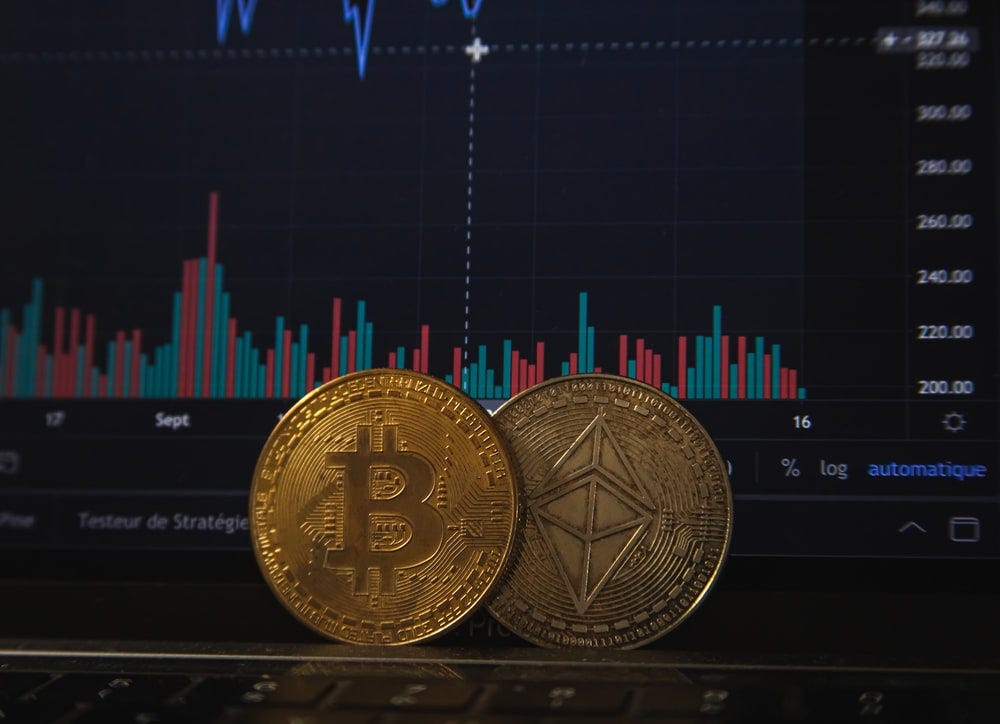
5. Alternative Investments From private equity to hedge funds, commodities, and cryptocurrencies, alternative assets can enhance portfolio diversification but usually carry higher risks and require greater expertise.
The Time Factor: Power of Compounding A core principle that sets successful investors apart is respect for time. Compounding—the process where investment earnings generate their own earnings—can transform modest sums into significant wealth if given enough time to work.
Consider this simple example:
Investing $10,000 at an average annual return of 7% will grow to roughly $19,700 in 10 years, $38,700 in 20 years, and over $76,000 in 30 years.
Patience and discipline are indispensable allies for any investor who wishes to harness compounding’s quiet magic.
Risk and Reward: The Balancing Act All investments carry risk, from market downturns to economic shocks and geopolitical crises. Understanding one’s own risk tolerance is fundamental to choosing appropriate investments. Generally:
Younger investors with long time horizons can afford to take greater risks for higher potential returns.
Those approaching retirement may prioritize capital preservation and steady income.
Diversification—spreading investments across asset classes, sectors, and geographies—remains the golden rule for managing risk while pursuing growth.
Behavioral Pitfalls: The Human Factor Even the best-laid investment plan can be undone by emotion. Fear drives panic-selling during downturns; greed tempts investors to chase unrealistic returns. History is littered with cautionary tales of bubbles and crashes, from tulip mania to the dot-com collapse and the more recent crypto frenzies.
Modern Trends: The Evolving Investment Landscape Technology and social change continue to reshape how people invest. Some emerging trends include:
Sustainable and ESG Investing: More investors want their money to align with their values, backing companies that prioritize environmental sustainability, social responsibility, and sound governance.
Robo-Advisors: Automated platforms now make low-cost, algorithm-driven portfolio management accessible to millions.
Globalization: Investors are increasingly diversifying into international markets, seeking growth in emerging economies.
Cryptocurrencies and Blockchain: Digital assets have created new opportunities—and risks—demanding careful consideration and caution.
Conclusion: A Lifelong Commitment to Growth Investment is not merely an act of buying and selling—it is a philosophy of planning wisely for tomorrow while navigating the uncertainties of today. It demands patience, resilience, and a willingness to learn continuously. For those who approach it thoughtfully, investment is more than wealth-building; it is a means of securing freedom, fulfilling dreams, and leaving a legacy that endures.
In a world of constant change, one principle remains timeless: investing is less about predicting the future perfectly than about preparing for it wisely. Those who grasp this truth, and act on it with diligence and care, stand to shape not just their own destinies, but also the economic story of generations to come.