Introduction: A Paradigm Shift in Currency
In just over a decade, Bitcoin has grown from a niche concept discussed in obscure forums to a major force in global finance. Once dismissed as a fleeting trend, it now commands the attention of world governments, institutional investors, and everyday savers alike. But what exactly is Bitcoin? More than just a digital currency, it represents a profound shift in how we perceive, store, and exchange value.
As the first and most prominent cryptocurrency, Bitcoin is rewriting the rules of traditional finance. Its emergence symbolizes a broader societal movement toward decentralization, transparency, and autonomy in financial systems. Let’s delve deeper into this digital phenomenon that continues to reshape the economic landscape.
The Genesis of Bitcoin: A New Era Begins
The origin of Bitcoin traces back to October 2008, when an anonymous figure—or perhaps a group—using the pseudonym Satoshi Nakamoto published a whitepaper titled “Bitcoin: A Peer-to-Peer Electronic Cash System.” This document laid out a revolutionary concept: a decentralized digital currency that would operate without the need for central banks or intermediaries.
By January 2009, the first Bitcoin block, known as the Genesis Block, was mined, marking the birth of a new financial ecosystem.
Key Features of Bitcoin
-
Decentralization: No single authority controls the Bitcoin network. It runs on a peer-to-peer model powered by a global community of miners and nodes.
-
Finite Supply: Only 21 million Bitcoins will ever exist, creating scarcity that resembles precious metals like gold.
-
Transparency: Every transaction is recorded on a public ledger called the blockchain, visible to anyone, anywhere.
-
Security: Advanced cryptography and a consensus mechanism (Proof of Work) make Bitcoin one of the most secure networks in the world.
How Bitcoin Works: The Mechanics Behind the Magic
Bitcoin operates on a blockchain, which is essentially a digital ledger composed of blocks that store transaction data. Miners validate and add these blocks to the chain through computational work, solving complex mathematical puzzles—a process known as mining.
Once a block is added, the data within it becomes immutable. This permanence ensures that transactions are tamper-proof and verifiable, bolstering trust in a system that functions without traditional oversight.
The Role of Mining
Mining serves two crucial purposes:
Bitcoin as “Digital Gold”
One of the most enduring comparisons is between Bitcoin and gold. This analogy isn’t merely metaphorical—it reflects real-world investment behavior. Like gold, Bitcoin is:
-
Scarce: Capped supply fuels demand as adoption grows.
-
Durable: Exists in digital form, impervious to physical degradation.
-
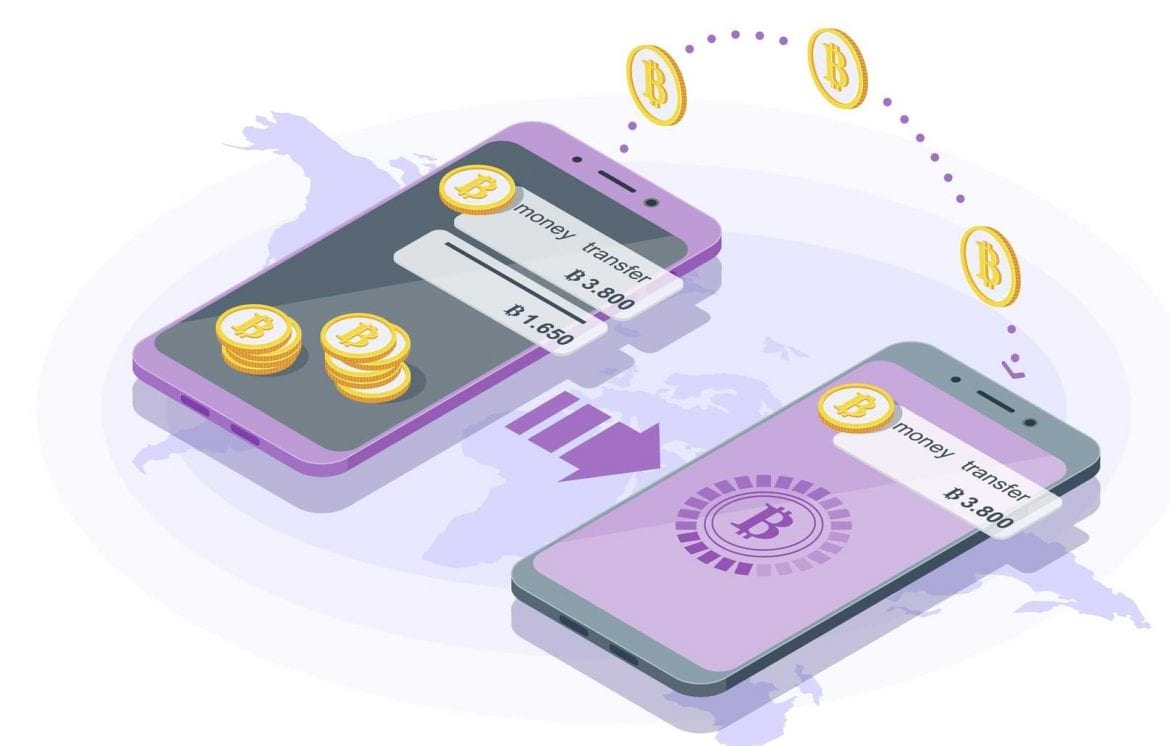
Portable: Easily transferred across borders in seconds.
-
Divisible: Can be broken down into 100 million smaller units called Satoshis.
As trust in fiat currencies wanes amid inflation and fiscal instability, Bitcoin increasingly serves as a store of value rather than merely a medium of exchange.
Institutional Adoption and Market Evolution
In recent years, Bitcoin has attracted significant interest from institutional players. Hedge funds, pension managers, and even publicly traded companies like Tesla and MicroStrategy have invested billions into the asset. This institutional embrace lends legitimacy and reduces the “Wild West” image that once plagued cryptocurrency markets.
Noteworthy Developments:
-
Fidelity, BlackRock, and other financial giants now offer Bitcoin-related products to their clients.
-
Bitcoin ETFs (Exchange-Traded Funds) have launched in multiple countries, providing easier access to mainstream investors.
-
Countries like El Salvador have gone as far as adopting Bitcoin as legal tender, a bold experiment in monetary policy.
Challenges and Criticisms
While Bitcoin’s potential is vast, it is not without flaws. The network’s high energy consumption has raised environmental concerns, particularly as global climate priorities intensify. Critics also point to its volatility, regulatory ambiguity, and use in illicit transactions.
Key Concerns:
-
Environmental Impact: The Proof-of-Work mechanism consumes large amounts of electricity, prompting calls for greener alternatives.
-
Regulatory Risks: Governments worldwide grapple with how to regulate Bitcoin—some welcome it, others threaten outright bans.
-
Volatility: Sharp price swings can deter new users and complicate its role as a stable currency.
Despite these challenges, Bitcoin’s resilience is undeniable. It has weathered multiple market crashes, cyberattacks, and policy crackdowns, emerging each time with renewed strength.
The Cultural Shift: Why Bitcoin Resonates
Bitcoin is not just a financial tool—it’s a cultural movement. It resonates deeply with individuals seeking financial independence, transparency, and privacy. In an age where institutions are often viewed with skepticism, Bitcoin offers an alternative grounded in mathematics and community governance rather than centralized power.
What Bitcoin Represents:
-
Sovereignty: The ability to control one’s own money without censorship or confiscation.
-
Innovation: A gateway to broader blockchain applications, including decentralized finance (DeFi) and non-fungible tokens (NFTs).
-
Inclusion: Empowering the unbanked and underbanked populations through open-access financial infrastructure.
Looking Ahead: Is Bitcoin the Future?
The path forward for Bitcoin is both thrilling and uncertain. It could evolve into a global reserve asset, become the foundation of a new financial system, or face challenges that stifle its growth. Much will depend on technological advancements, regulatory developments, and broader societal attitudes toward decentralization and privacy.
What’s clear, however, is that Bitcoin is no longer a fringe experiment. It is a dynamic, evolving force that continues to challenge traditional paradigms and invite us to reimagine money itself.
Conclusion: More Than a Currency
Bitcoin is, at its core, an idea—one that questions the foundations of modern finance and champions a new kind of economic freedom. Whether you view it as an investment, a political statement, or a technological marvel, its impact is undeniable. As the world grapples with digital transformation and shifting financial norms, Bitcoin stands at the forefront—a bold symbol of what’s possible when innovation meets necessity.
In the grand tapestry of human progress, Bitcoin may well be remembered as more than just a currency. It may be remembered as a turning point.