
Cryptocurrency: Redefining Wealth and Trust in a Digital Age
Introduction: The Unfolding of a Financial Revolution
When the term “cryptocurrency” first entered mainstream discourse just over a decade ago, it was often dismissed as a fleeting experiment—digital money for tech enthusiasts and libertarians skeptical of banks and governments. Yet today, cryptocurrency commands the attention of Wall Street titans, global regulators, venture capitalists, and millions of ordinary people seeking an alternative path to financial freedom. The promise of cryptocurrency is nothing less than transformative: to reimagine money, trust, and ownership in an era increasingly defined by digital connections and decentralized power.
What Is Cryptocurrency? A Primer for the Curious
At its simplest, cryptocurrency is a form of digital or virtual currency that uses cryptography for security. Unlike traditional fiat currencies such as the US dollar or the euro, cryptocurrencies are not issued by a central bank. Instead, they rely on decentralized networks—most commonly, blockchain technology—to record and verify transactions in a transparent, tamper-proof way.
Key characteristics that set cryptocurrency apart include:
-
Decentralization: No single authority, like a government or central bank, controls the supply or validation of transactions. Instead, a distributed network of computers (nodes) works together to maintain the ledger.
-
Transparency and Immutability: All transactions are permanently recorded on a blockchain, accessible to anyone and resistant to manipulation.
-
Finite Supply: Many cryptocurrencies, such as Bitcoin, have a capped supply, designed to combat inflation and preserve scarcity.
-
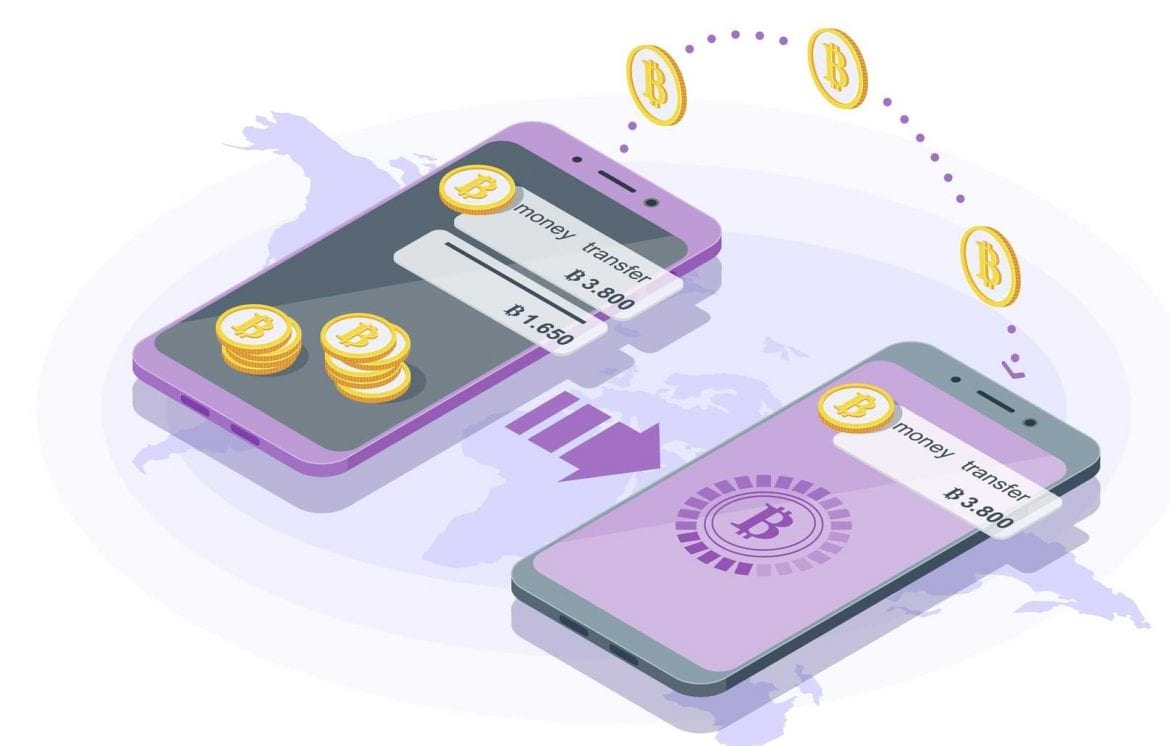
Peer-to-Peer Nature: Cryptocurrencies enable direct transactions between parties anywhere in the world, bypassing traditional intermediaries.
A Brief History: From Cypherpunks to Corporate Boardrooms
Cryptocurrency’s roots lie in the cypherpunk movement of the 1980s and 90s, where privacy advocates explored how cryptography could empower individuals and limit state surveillance. The launch of Bitcoin in 2009 by the pseudonymous Satoshi Nakamoto brought those ideas into reality. With Bitcoin, Nakamoto solved the double-spending problem—ensuring that digital money could not be fraudulently copied or reused—by inventing the blockchain.
In the years since, Bitcoin has been joined by thousands of other cryptocurrencies. Ethereum expanded the concept by adding smart contracts, programmable agreements that execute automatically when conditions are met. Innovations like decentralized finance (DeFi) and non-fungible tokens (NFTs) have opened new avenues for trading, lending, creating, and exchanging value in purely digital forms.
Why People Believe in Cryptocurrency
Despite wild price swings and regulatory crackdowns, the allure of cryptocurrency endures. To believers, it represents a potent mix of financial independence, technological innovation, and ideological conviction.
Some core reasons for its popularity include:
-
Hedge Against Inflation: Bitcoin, with its capped supply of 21 million coins, is often compared to gold—a store of value that resists devaluation by reckless monetary policy.
-
Access and Inclusion: For millions who lack access to stable banking systems, crypto wallets and exchanges offer new financial opportunities.
-
Ownership and Autonomy: Crypto lets individuals control their funds directly, without relying on banks that can freeze accounts or governments that can impose capital controls.
-
Innovation: Blockchain and crypto technologies are spawning entirely new digital economies, from DeFi protocols to virtual real estate and gaming ecosystems.
The Expanding Ecosystem: Beyond Bitcoin
While Bitcoin remains the poster child of cryptocurrency, the broader ecosystem is diverse and fast-moving.
Some notable developments include:
-
Ethereum and Smart Contracts: Ethereum introduced the concept of a programmable blockchain, enabling decentralized apps (dApps) that operate without intermediaries.
-
Stablecoins: These are cryptocurrencies pegged to the value of traditional currencies like the US dollar. Stablecoins such as USDT and USDC offer the speed and transparency of crypto without the wild price volatility.
-
Decentralized Finance (DeFi): DeFi platforms replicate traditional banking services—like lending, borrowing, and trading—without centralized intermediaries. Users interact directly with smart contracts instead.
-
NFTs and Digital Ownership: NFTs have revolutionized art, gaming, and content ownership by allowing unique digital assets to be bought and sold on the blockchain.
Risks and Controversies: Not for the Faint of Heart
For all its promise, cryptocurrency remains a risky and often misunderstood frontier.
Investors and observers must contend with:
-
Volatility: Prices can soar or crash dramatically in short periods, driven by sentiment, speculation, and regulatory news.
-
Scams and Fraud: The anonymity and lack of oversight have attracted bad actors, from Ponzi schemes to phishing attacks.
-
Regulatory Uncertainty: Governments worldwide are still figuring out how to classify and regulate crypto assets, leading to inconsistent and sometimes draconian measures.
-
Environmental Concerns: Proof-of-work blockchains like Bitcoin consume significant amounts of energy, sparking debate about sustainability. However, newer consensus mechanisms, like proof-of-stake, promise greener alternatives.
Mainstream Acceptance: From Fringe to Financial Fixture
Despite challenges, cryptocurrency’s journey into the mainstream continues. Institutional investors, once skeptical, now hold significant crypto assets. Companies like Tesla, Square, and MicroStrategy have added Bitcoin to their balance sheets. Major payment processors like PayPal and Visa facilitate crypto transactions for everyday users.
Even central banks are responding. Many are experimenting with central bank digital currencies (CBDCs)—government-backed digital money inspired by crypto’s efficiency but retaining centralized control. This paradoxical development shows how deeply crypto has influenced modern thinking about money.
What Lies Ahead?
Crypto’s future remains an open question—its potential matched only by its unpredictability. A few developments could shape what comes next:
-
Clearer Regulation: Sensible frameworks could protect investors and weed out fraud while preserving innovation.
-
Scalability Solutions: Projects like Ethereum 2.0 and layer-2 solutions aim to handle more transactions at lower costs, paving the way for mass adoption.
-
Integration with Traditional Finance: Expect more banks and institutions to integrate crypto services, blending old and new systems.
-
Social and Cultural Impact: Beyond finance, crypto’s ethos of decentralization and digital ownership could redefine how communities organize, create, and govern themselves.
Conclusion: A Digital Renaissance in Motion
Cryptocurrency is not just a passing phase—it is a profound reimagining of how humans exchange value and trust each other in a digital-first world. For every critic who sees only speculation, there is an innovator building the next generation of decentralized tools and communities.
In this evolving landscape, one truth stands clear: crypto has forced the world to reconsider what money can be—and what freedom over one’s wealth truly means. As the blockchain revolution unfolds, the story of cryptocurrency remains an unfinished chapter in the ongoing saga of human ingenuity and our timeless pursuit of independence and fairness.